
Debunking common casino myths What every gambler should know
Understanding the House Edge
One of the most pervasive myths in the gambling world is the misconception that the house edge is simply a scam to cheat players. In reality, the house edge is a mathematical principle that ensures casinos can remain operational and profitable. Every game has a built-in advantage for the casino, but this is not a nefarious strategy; rather, it reflects the odds of winning and losing inherent in games of chance. Many players interested in online gaming should consider options such as casino not on gamstop for a better gaming experience.
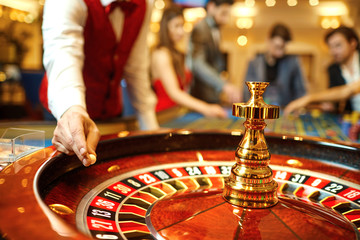
Players often mistakenly believe that they can outsmart the house by employing certain strategies or rituals. However, the truth is that these strategies do not change the odds in their favor. Understanding the house edge helps gamblers make informed decisions and manage their expectations, leading to a more enjoyable experience.
Myth of “Hot” and “Cold” Slots
Another common belief is that slot machines can be categorized as “hot” or “cold,” suggesting that certain machines are more likely to pay out at specific times. This is a myth perpetuated by anecdotal experiences rather than factual evidence. Slot machines operate on Random Number Generators (RNGs), meaning each spin is independent and has no connection to previous outcomes.
This misunderstanding can lead to players favoring certain machines based on the notion that they are due for a win. In truth, every spin is random, and the machine’s payouts are predetermined based on its design, making it essential for gamblers to approach slots with a realistic mindset.
The Illusion of ‘Gambler’s Fallacy’
The gambler’s fallacy is the belief that past outcomes affect future results, leading players to think that if a particular event hasn’t occurred in a while, it is more likely to happen soon. For instance, a player might believe that a roulette wheel is due to land on red after several spins of black. This thinking is flawed and can result in significant losses.
Understanding the gambler’s fallacy is crucial for responsible gambling. Each event in gambling is independent, and previous results do not influence future outcomes. Awareness of this fallacy can help players avoid making irrational decisions that stem from misconceptions about probability.
The Role of Luck Versus Skill
Many gamblers contend that success is purely a matter of luck, while others argue that skill can play a significant role, especially in games like poker. While luck undoubtedly influences outcomes, especially in games of chance, skill can improve a player’s chances in strategy-based games. This distinction is vital for players to comprehend when choosing which games to play.
For example, knowledgeable poker players can leverage their understanding of the game to make strategic decisions that increase their likelihood of winning. Balancing luck and skill allows gamblers to appreciate the complexity of various games, potentially improving their overall experience and outcomes.

Ensuring a Safe Gambling Environment
In the digital age, the importance of a secure gambling environment cannot be overstated. Online casinos must prioritize player safety by implementing stringent security measures to protect against online threats. Understanding the importance of a secure platform is crucial for every gambler, as it ensures that their personal and financial information remains protected.
Visitors should always be aware of the measures taken by online casinos to maintain a safe browsing experience. By recognizing the importance of responsible gambling practices and choosing secure platforms, players can enjoy their gaming experience without unnecessary risks. This approach not only promotes responsible gambling but also enhances the overall enjoyment of the experience.